Start here
Three pieces built from records VA did not volunteer.
What Line? What the Board’s Own Data Says About Docket Order
Federal law says appeals are decided in docket order. Three hundred eighty thousand appeals later, the line isn’t a line.
Contract Examiners Can’t Access Your C-File
The clinician deciding your claim never sees the whole record. A bureaucrat picks what they read first.
While Veterans Wait, VA Spends Millions Monitoring the Press
VA fought this one hard. The documents show what the agency pays attention to, and what it doesn’t.
Browse by topic
- InvestigationsWhat the records show, once VA hands them over.
- The CourtsRulings from the Veterans Court, the Federal Circuit, and our own filings.
- Law & PolicyBills, regulations, and the memos behind them.
- Know Your ClaimPlain-English explainers for Veterans and their families.
- Hometown HeroesThe people behind the case numbers.
- VA IdiocracyThe roundup: victories, frustrations, and the plainly absurd.
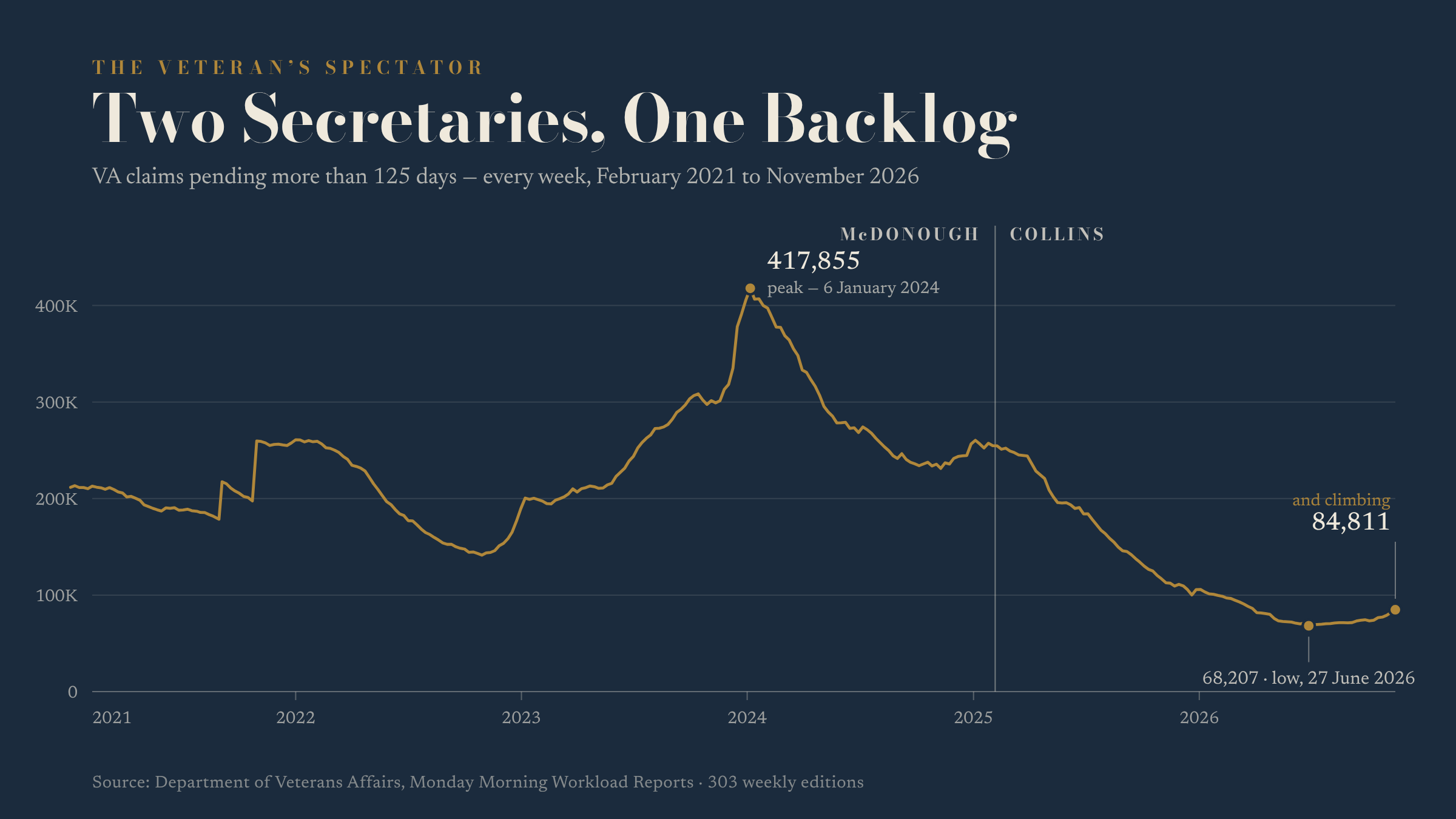
Denis McDonough, Secretary of Pullin’ Your Leg v. Douglas A. Collins, Secretary of Speed
The midterms were a report card. VA has had two Secretaries in 6 years and you didn’t get to vote on either one. So here is their report card — graded against 303 weeks of VA’s own spreadsheets, two federal courts, a memo VA never announced, and 10 days in February that nobody at the Department wants to talk about.
VA OIG: Lookin’ for Pain in All the Wrong Places This Veterans Day
A Veteran told a VA examiner the scar on his ear ached. The examiner wrote it down. VA paid him ten percent. In October the Inspector General called that an error and put a price on it: $6,900, and climbing. The rule he supposedly broke is not in the rating schedule — VA is still trying to put it there.

Excuse Me, Mr. Secretary
On September 1, VA said it had no records about Dr. James I. Joubert. On November 4, it sent 139 pages. In between: a full-time Compensation and Pension neurologist taking work from thirty-six regional offices, a wall of perfect quality scores, and a widow who has been to the Court twice over a claim that starts in 1953.
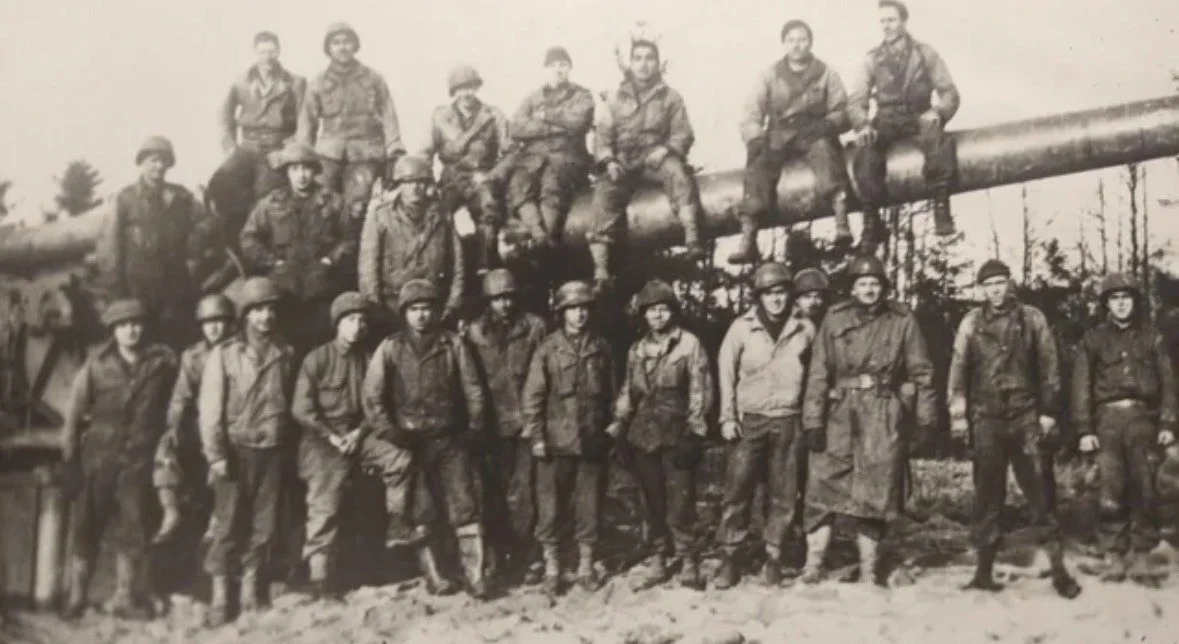
In Color: What VA Examiners Are and Aren’t Trained For
VA released 927 pages of the training it gives the contract clinicians who examine Veterans. Eighty of those pages are about toxic exposure. The word “rationale” appears 682 times in the stack; “Agent Orange” appears four. And the exposure database examiners are told to rely on holds records going back to the 1990s only, which means that for a Vietnam Veteran there is nothing in it at all.
What VA Knows How to Count
827 Veterans had a legacy hearing before the Board of Veterans’ Appeals in 2024. One hundred sixty-eight are still waiting, and the Board says it does not track the date a case is assigned to the judge who has to decide it. That same month, VA capped the share of its own employees allowed to be rated outstanding at 20 percent. VA is not bad at counting. VA has decided what to count.
The Chair Was Already Empty
Ken Arnold is out at the Board of Veterans’ Appeals. He leaves behind 141,729 pending appeals, 98.3% of them passed over, a workforce that told its own union it has no confidence in leadership, and a Chairman’s chair that has not held a Senate-confirmed occupant in twenty-one months. A new nameplate on the door does not move anybody up in line.
Now the Lawyers Inside the Board Are Hollering Uncle
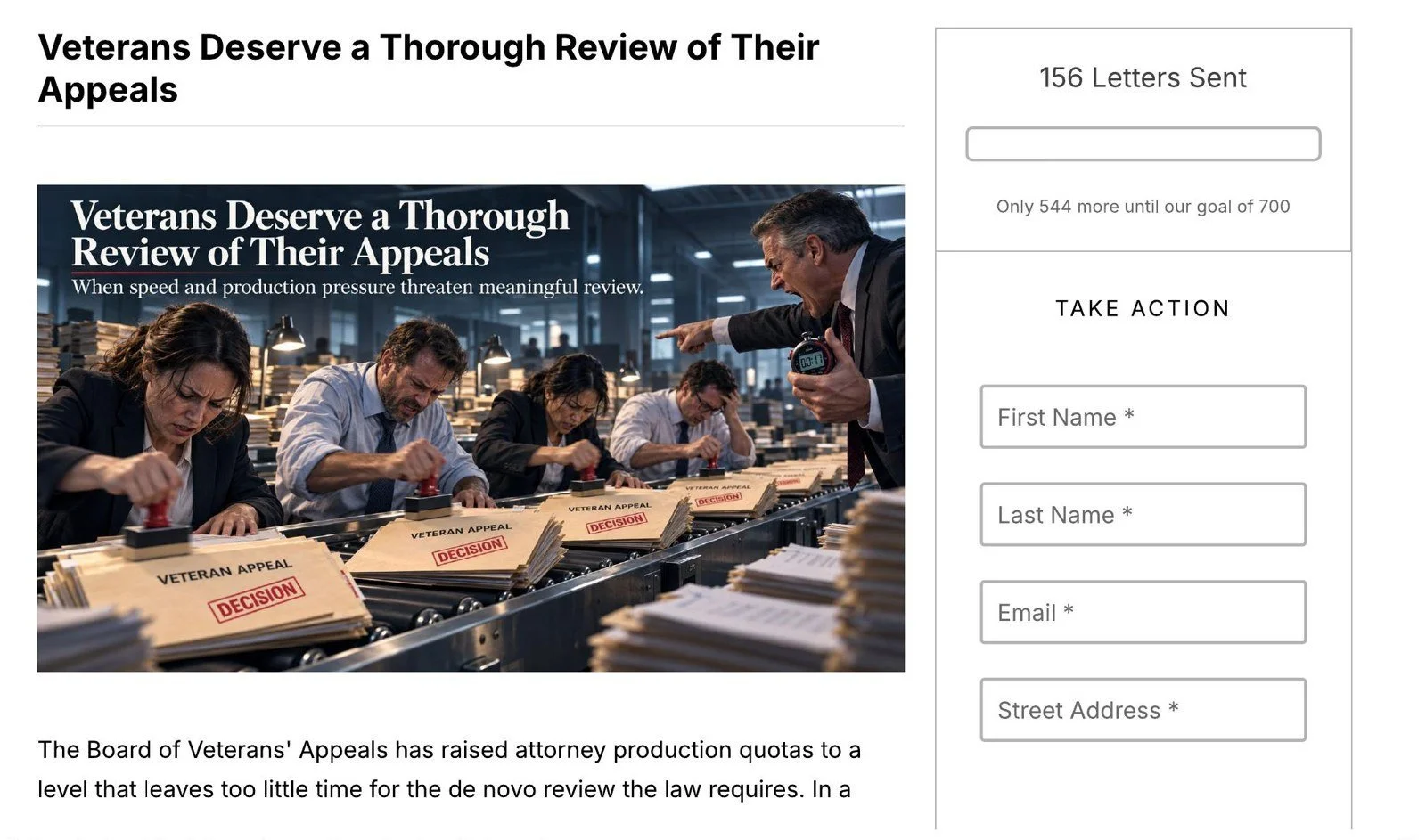
The Board’s own attorneys just asked Congress to send in the GAO. Their union says the quota went from 156 decisions a year to 182, and in their survey 97% said errors are more likely and 64% are reviewing less evidence to keep pace. Meanwhile the Senate is interviewing a new Board Chairman, the first in twenty months. My FOIA data showed the line isn’t a line. Now the people at the front of it say why.
What Line? What the Board’s Own Data Says About Docket Order
Federal law says the Board of Veterans’ Appeals must decide appeals in docket order. So, I asked the Board for its own records. Three hundred eighty thousand appeals later, the line isn’t a line. Older appeals sit while newer ones get decided, and almost every Veteran waiting has already been passed over. Here’s what the Board’s own data shows, and what it means for Cartwright v. Collins.

VA Perfects Self-Licking Ice Cream Cone
A caregiver called me for exam prep. I had to tell her there is no such thing. By the time her husband walks into that room, the record was frozen weeks ago. Then a FOIA response showed me VA cannot keep its own story straight about what contract examiners ever receive. Insufficient exam, appeal, new exam, new invoice. The cone licks itself.
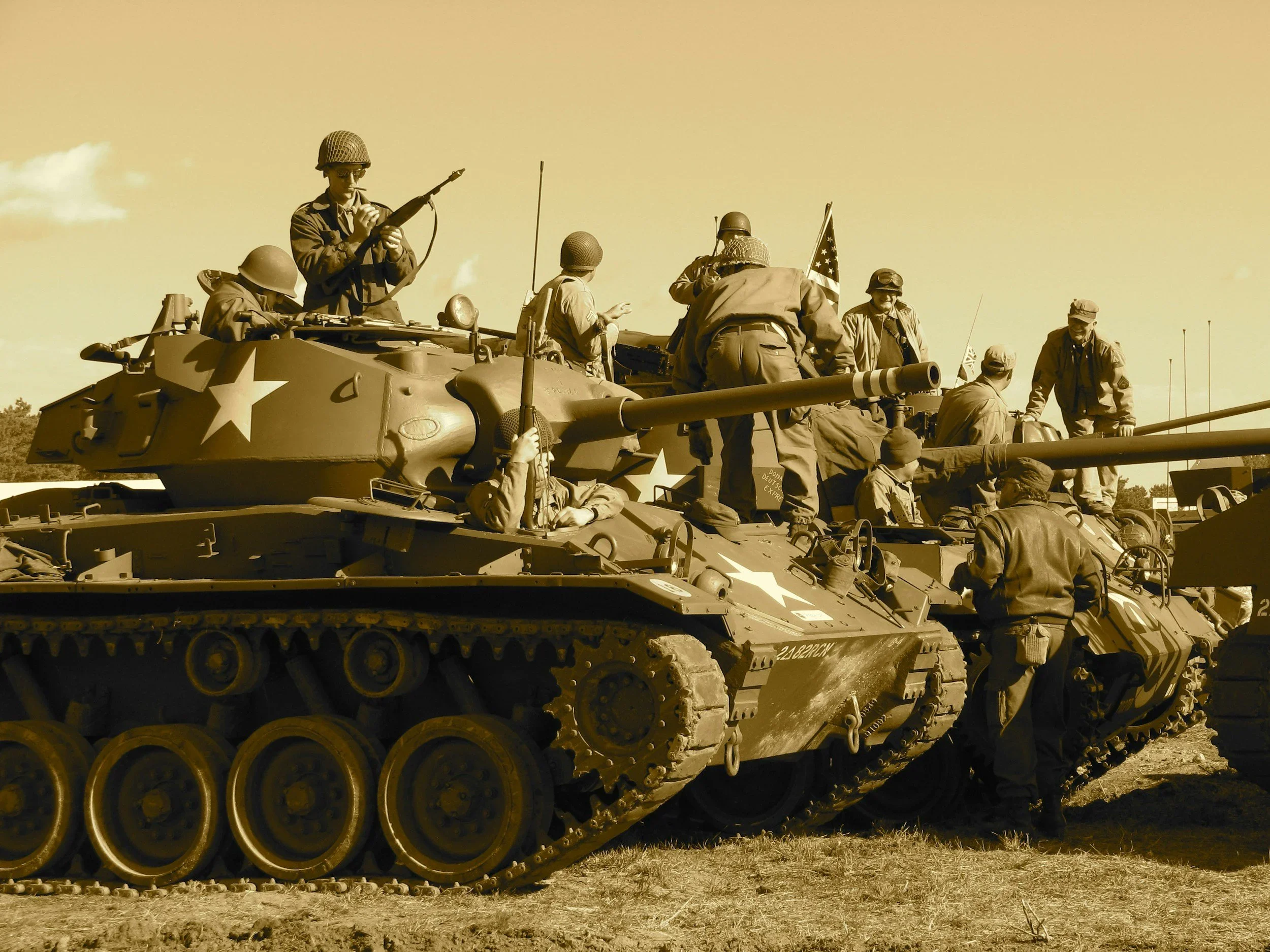
While Veterans Wait, VA Spends Millions Monitoring the Press
Tsk, tsk. The VA fought me hard on this one. I have all sorts of little birdies that send me things the VA puts out. Hey, Washington is known for leaks. At least this leak helps Veterans know what the VA is spending their dough on. Hint, it ain’t deciding claims correctly. So, here it is, two or three months ago, someone sent me a News Media Summary that the VA puts on on the daily. Check it out for yourself.
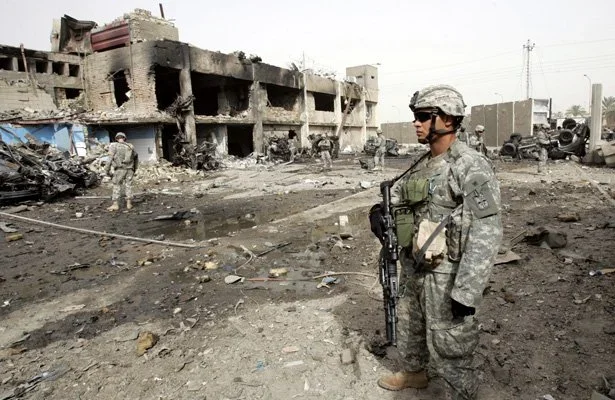
Contract Examiners Can’t Access Your C-File
The math here isn’t complicated, but it is devastating. We have a system where a bureaucrat first cherry-picks your file, followed by a "bookmarker" with a GED who further strips away the evidence, leaving the medical examiner flying blind with a fraction of the truth. It is a calculated game of telephone where the Veteran’s voice—and their medical history—gets lost in translation. Eric didn’t just lose a claim; he nearly lost his life to a bureaucracy that prefers "tabbed" convenience over clinical accuracy. As long as the VA continues to gatekeep records from the very doctors hired to review them, the process remains a farce. I’m not here to make friends with the bookmarkers or the bureaucrats; I’m here to flip the lights on in their ivory tower. The "nameless and faceless" might not like my methods, but until every Veteran gets an exam based on the whole truth rather than a curated snippet, I’m not putting this cigar out.

Board Decides Appeals Out of Order; I Brought Receipts
This is how I image it went down. Picture it like this. Doug Collins is in his big new office on Vermont Avenue. Way up in the Ivory Tower. He’s cleaning out Denis’s old desk. A few paperclips left behind, an old sticky note. Maybe even an old family photo—a note about some final project McDonough was working on before his tenure ended when ole’ Joe’s did. Doug takes a look around and shakes his head in disapproval. This place hasn’t been serving Veterans. “PowerPoints and committees,” he says as he wads up that sticky note, tossing it into the trash, “that’s all they’ve been doing here,” he gripes. “We’re about to change that.” He picks up the phone and says “get me someone at the Board. Anyone, now!”
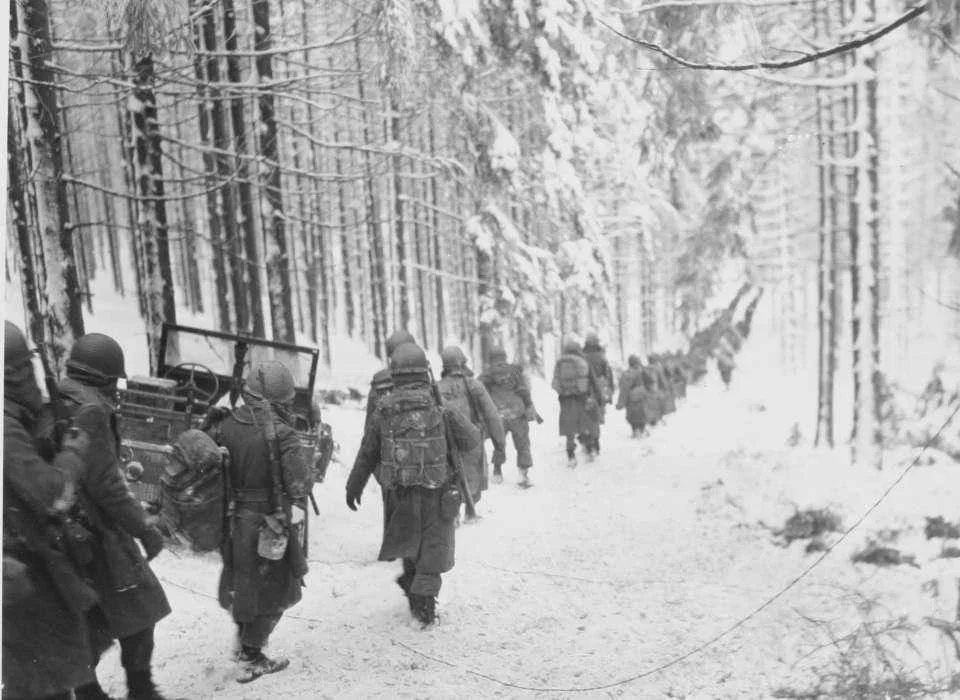
VA’s Sunshine Allergy Worsens; What Breast Cancer Memo?
I really thought this close to Christmas, everyone at the VA would be happy to get a little warm sunlight. Especially for all the folks at central office over on Vermont Avenue. I always try to send a little sunshine the VA’s way by keeping a FOIA request pending. This week, I got a response to my request for the infamous breast cancer memo. Wouldn’t you know, they said no way no how was I getting a copy of that thing. Get out! Good thing I already have a bootlegged copy on my website.
"Stall, Deny and Hope They Die": The VA's Unwritten Policy
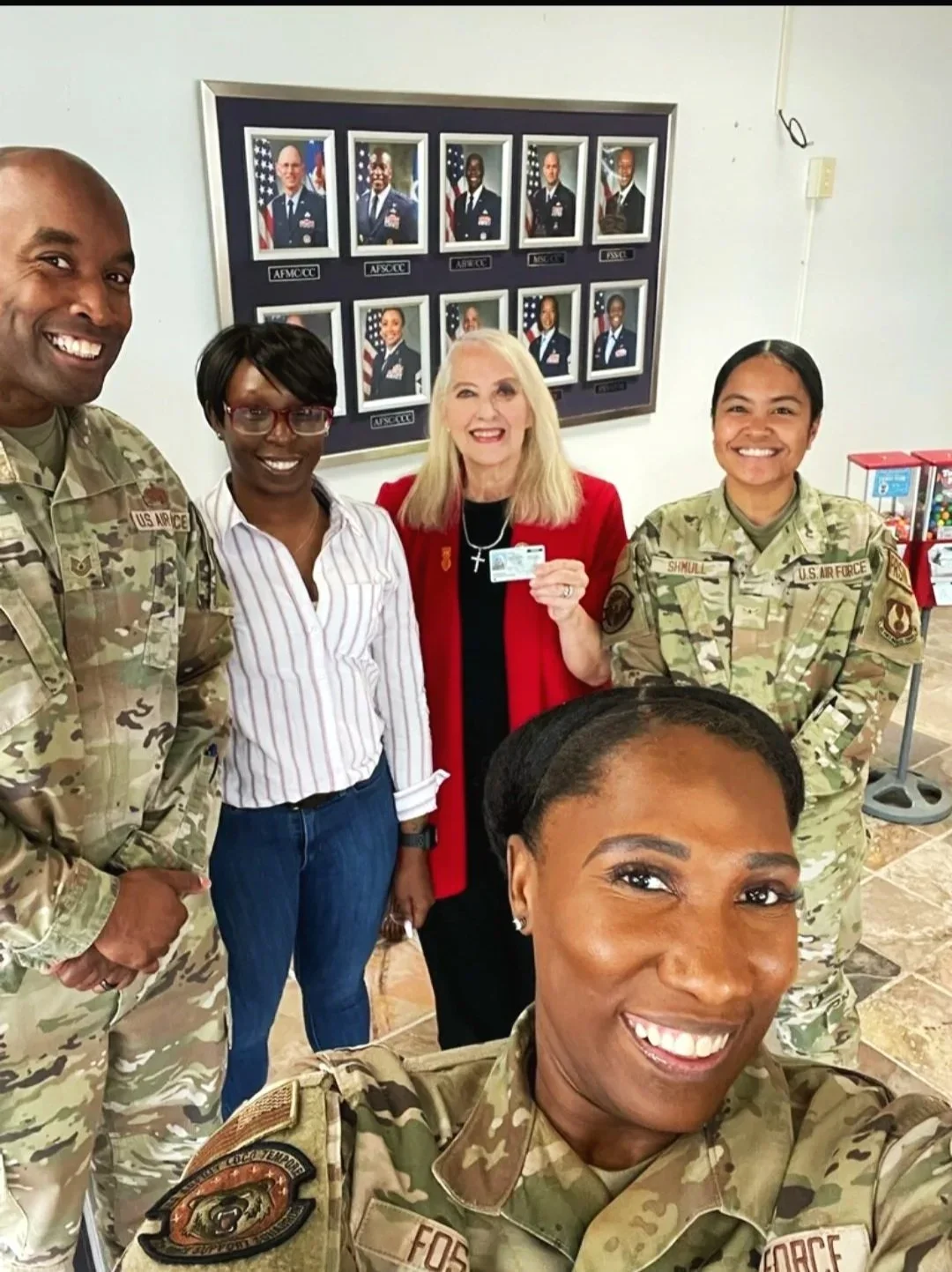
Pictured is Denise. She is at Robins Air Force Base. Why? She is picking up her VA spousal ID. The problem? She is picking it up some 20+ years late. You see, Denise’s husband died of Non-Hodgkin's lymphoma (NHL) in July of 1996. As a Vietnam Veteran, her benefits were a done deal? Right. That whole presumptive thing? Just ask Mr. Nehmer. Well, if you are reading this, you probably know that the story isn’t that simple. However, what you probably won’t believe is that it took Denise over 20, yes 20, years, to finally obtain a Judge’s order granting her DIC benefits. I personally know of no other person who has litigated a case that long against the VA—continuously. She has to be a contender for the top 5. Denise calls her case "Stall, Deny and Hope They Die": - The VA's Unwritten Policy, and she wrote a book to tell you all about it!