
Start here
Three pieces built from records VA did not volunteer.
What Line? What the Board’s Own Data Says About Docket Order
Federal law says appeals are decided in docket order. Three hundred eighty thousand appeals later, the line isn’t a line.
Contract Examiners Can’t Access Your C-File
The clinician deciding your claim never sees the whole record. A bureaucrat picks what they read first.
While Veterans Wait, VA Spends Millions Monitoring the Press
VA fought this one hard. The documents show what the agency pays attention to, and what it doesn’t.
Browse by topic
- InvestigationsWhat the records show, once VA hands them over.
- The CourtsRulings from the Veterans Court, the Federal Circuit, and our own filings.
- Law & PolicyBills, regulations, and the memos behind them.
- Know Your ClaimPlain-English explainers for Veterans and their families.
- Hometown HeroesThe people behind the case numbers.
- VA IdiocracyThe roundup: victories, frustrations, and the plainly absurd.
The Chair Was Already Empty
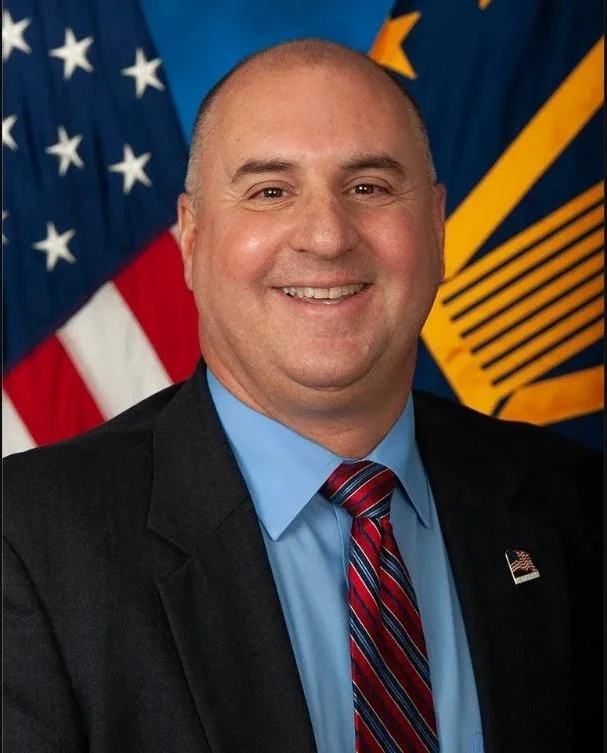
Ken Arnold is out at the Board of Veterans’ Appeals. He leaves behind 141,729 pending appeals, 98.3% of them passed over, a workforce that told its own union it has no confidence in leadership, and a Chairman’s chair that has not held a Senate-confirmed occupant in twenty-one months. A new nameplate on the door does not move anybody up in line.
Now the Lawyers Inside the Board Are Hollering Uncle
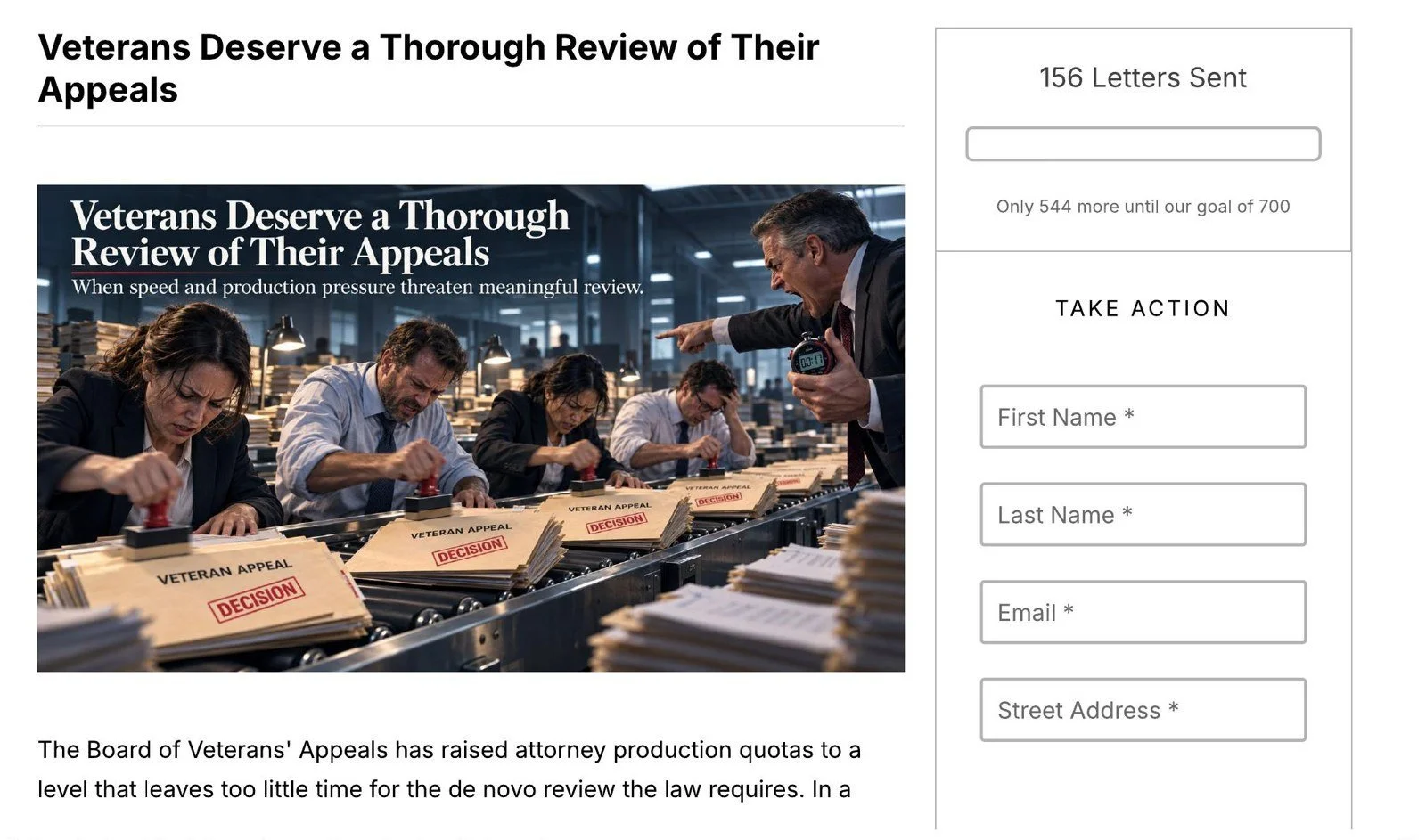
The Board’s own attorneys just asked Congress to send in the GAO. Their union says the quota went from 156 decisions a year to 182, and in their survey 97% said errors are more likely and 64% are reviewing less evidence to keep pace. Meanwhile the Senate is interviewing a new Board Chairman, the first in twenty months. My FOIA data showed the line isn’t a line. Now the people at the front of it say why.
What Line? What the Board’s Own Data Says About Docket Order
Federal law says the Board of Veterans’ Appeals must decide appeals in docket order. So, I asked the Board for its own records. Three hundred eighty thousand appeals later, the line isn’t a line. Older appeals sit while newer ones get decided, and almost every Veteran waiting has already been passed over. Here’s what the Board’s own data shows, and what it means for Cartwright v. Collins.